

Collapsible Bollards, Practical Uses, Fixed Bollards, Removable Bollards, Locking Bollards
TrafficGuard®, Inc.'s specialists make it easy to understand, select, and implement the right bollard solution for your site. Whether you’re protecting a commercial property, public space, or private facility, bollards play a vital role in vehicle control, perimeter protection, and pedestrian safety. This guide covers everything you need to know about bollards, including types, materials, installation options, use cases, and best practices to help you make confident, informed decisions.
What Are Bollards?
Bollards are vertical posts designed to control vehicle access and protect people, buildings, and infrastructure from accidental or intentional vehicle impact. While you may not recognize the term, you see bollards every day—installed outside airports, banks, shopping centers, schools, government facilities, and other high-traffic locations.
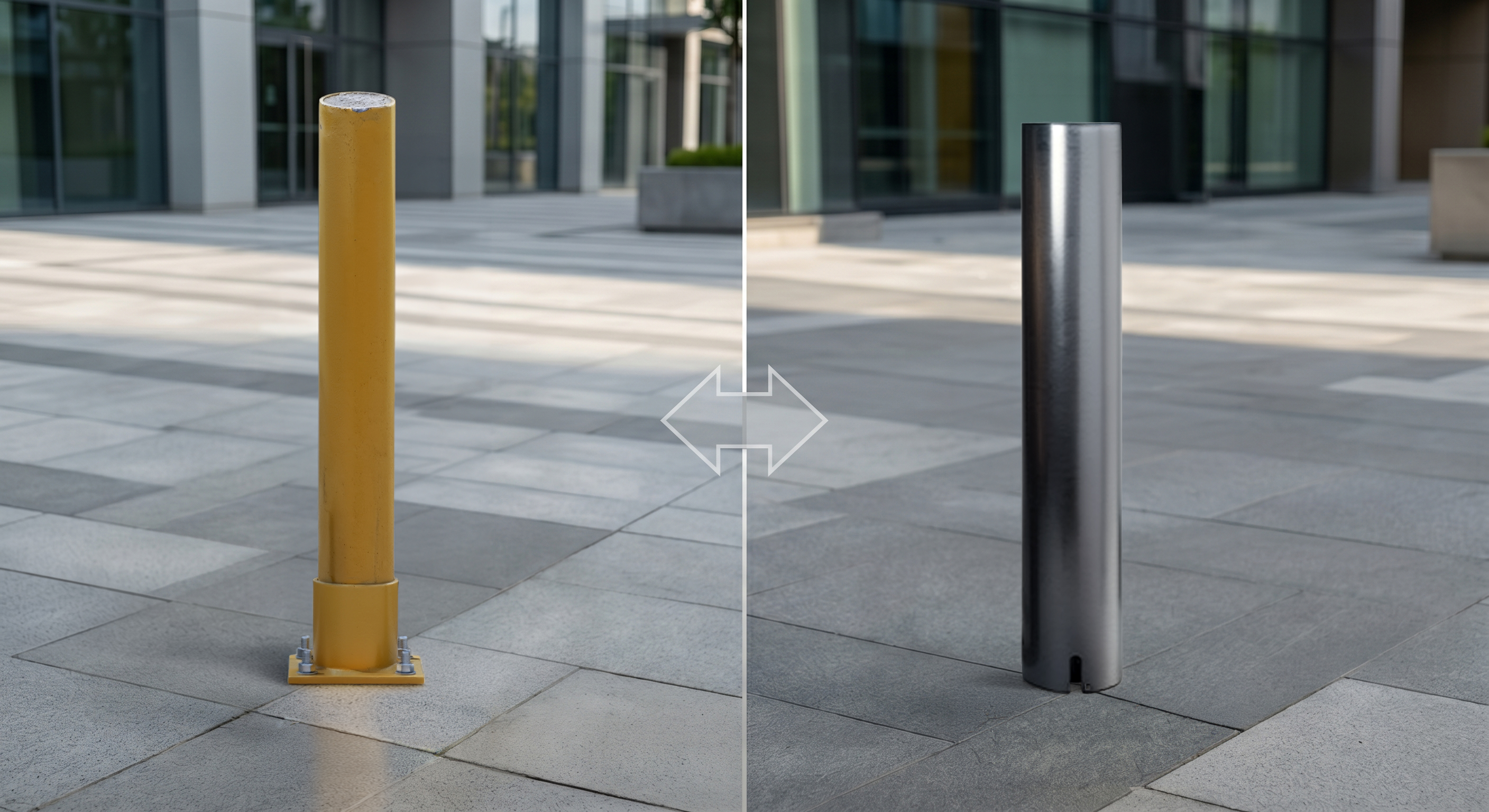
Bollards are constructed from high-strength materials such as steel to provide the durability and impact resistance needed to deter unauthorized vehicles and reduce crash damage. Depending on the application, bollards are available in fixed, removable, and collapsible designs, allowing property owners to balance security, accessibility, and traffic flow. Whether used for visual guidance or physical protection, bollards play a critical role in safeguarding sites from both low- and high-speed vehicle incidents.
How Do Bollards Work?
Bollards work by creating a visible and physical barrier that controls vehicle movement and protects people, buildings, and infrastructure. Depending on the type, they either guide drivers away from restricted areas or physically stop vehicles from entering spaces where they don’t belong.
Most bollards rely on a combination of placement, visibility, and structural strength to be effective. When properly selected and installed, they help reduce accidents, manage access, and enhance overall site safety. This balance of guidance, protection, and control makes bollards a reliable solution for a wide range of applications—from everyday traffic management to high-security environments.
What Are Bollards Used for?
If you own or manage a property, bollards provide an added layer of protection, control, and functionality that benefits both people and infrastructure. While applications vary by site, most property owners install bollards for several key reasons:
Security & Safety
The primary purpose of bollards is to protect people, buildings, and assets from vehicle-related incidents. Drivers may become distracted, lose control, or misjudge turns in parking lots, roadways, or loading areas. In more serious cases, intentional vehicle attacks—such as ram-raiding—can result in theft, property damage, and personal injury.
High-strength security bollards are engineered to absorb and stop vehicle impact, preventing catastrophic damage and enhancing overall site safety.
Controlling Site Access
Bollards are an effective way to manage how and when vehicles can enter a property. Some sites require permanent vehicle restriction, while others need flexible access for deliveries, emergency vehicles, or special events.
Fixed bollards provide constant protection and traffic control, while removable and collapsible bollards allow access when needed without compromising long-term security. This versatility makes bollards ideal for facilities with changing access requirements.
Protecting Pedestrians & High-Traffic Areas
In areas with heavy foot traffic, bollards create a clear physical barrier between vehicles and pedestrians. They help define walkways, storefronts, bike paths, and public gathering spaces, reducing the risk of accidental vehicle intrusion and improving overall pedestrian safety.
By guiding traffic flow and separating pedestrian zones, bollards also contribute to a safer, more organized site for both visitors and employees.
Infrastructure & Asset Protection
Bollards shield critical infrastructure such as building entrances, utility equipment, loading docks, parking structures, and outdoor assets. By absorbing vehicle impact, they reduce repair costs, prevent downtime, and extend the life of valuable property features.
This protection also safeguards equipment, signage, and landscaping, preserving the functionality and appearance of your property.
Compliance & Risk Reduction
Many commercial, municipal, and industrial sites use bollards to support safety standards, liability reduction efforts, and risk management strategies. Properly placed bollards demonstrate due diligence in protecting occupants and visitors while minimizing exposure to costly claims.
Bollards also help meet local safety codes and insurance requirements, providing an added layer of legal and regulatory protection for property owners.
Aesthetic & Design Value
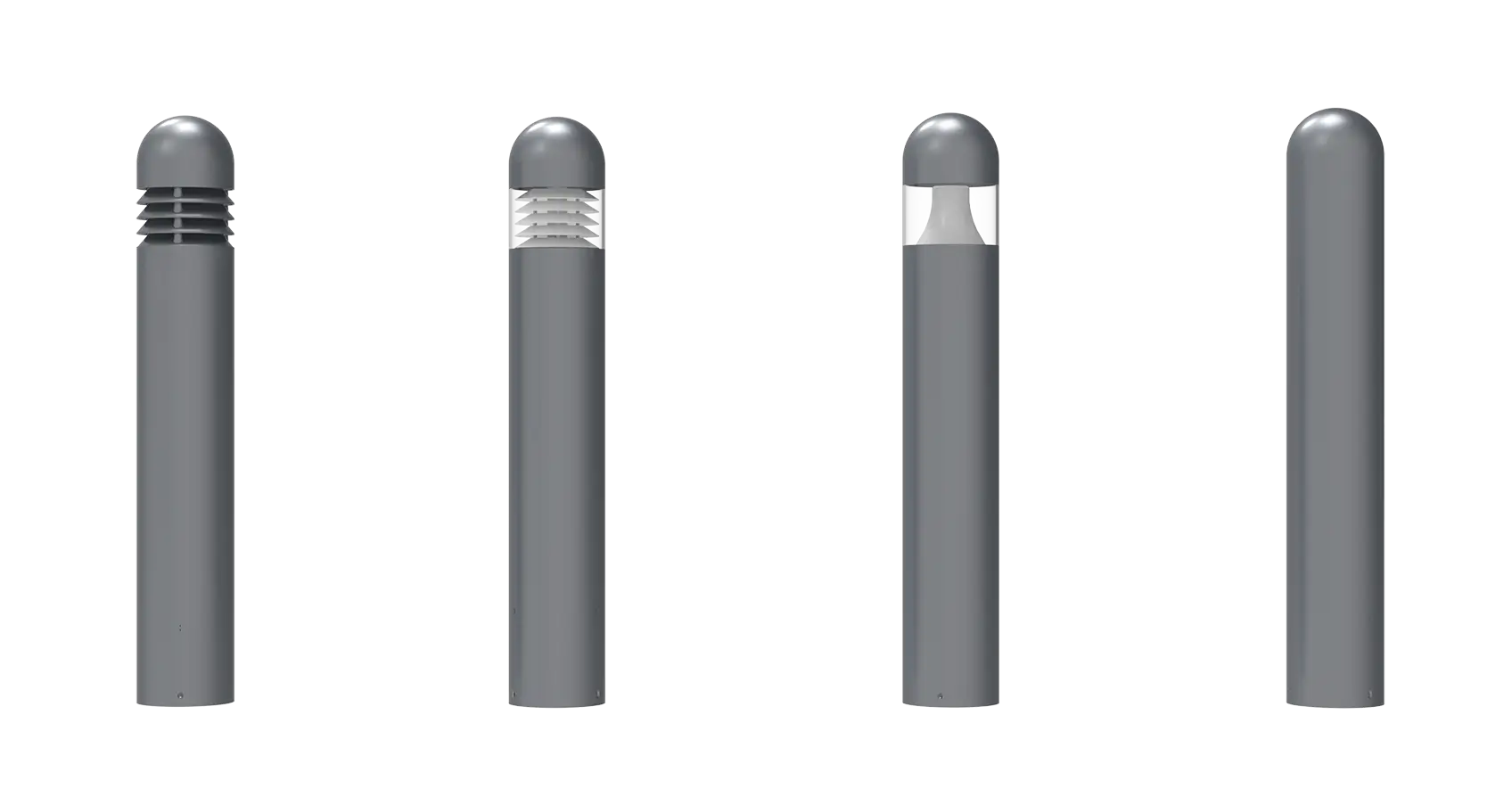
Beyond safety and access control, bollards can enhance the visual appeal of a property. Architectural bollards are popular among businesses and property owners who want strong protection without sacrificing design.
Available in a variety of finishes, colors, and styles, bollards can complement modern, traditional, or branded environments. Some sites even use decorative or custom-finished bollards as functional design elements, combining safety with visual impact.
Types of Bollards
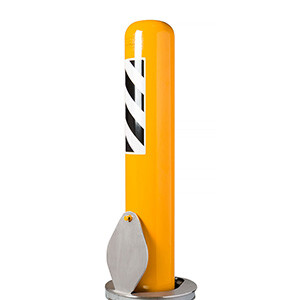
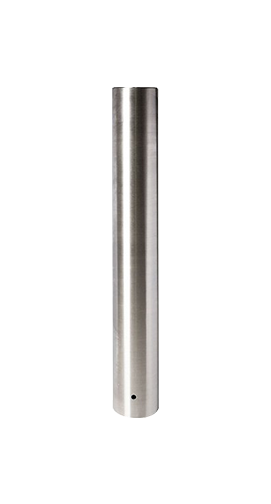
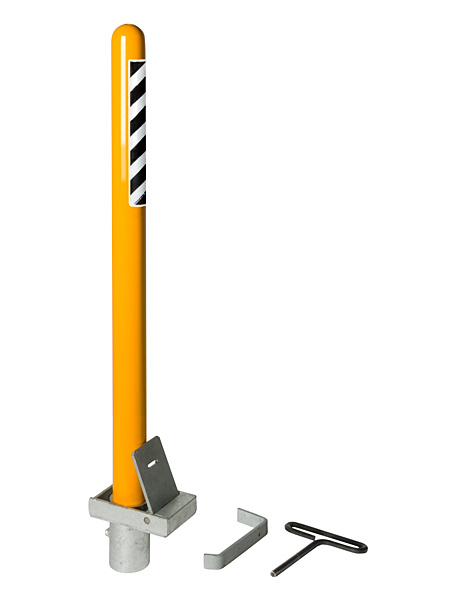
While the primary purpose of bollards is to prevent unauthorized or accidental vehicle access, property owners often have unique needs for their barrier posts. Some sites require continuous, heavy-duty protection, while others benefit from flexible solutions that allow controlled vehicle entry when necessary. Understanding the different types of bollards can help you choose the right option for your space and protection goals. Here are the main types of bollards to consider:
When to Install Permanent or Temporary Bollards
Choosing between permanent and temporary traffic barriers depends on how much protection your site needs and how often vehicle access must change. Some areas require constant security, while others benefit from flexible access control. Understanding the difference helps ensure both safety and functionality.
When Permanent Bollards Make Sense
Permanent bollards are best for areas that require continuous protection with no regular vehicle access. Installed directly into the ground, they provide long-term resistance against accidental impacts and intentional vehicle intrusion.
When Temporary Traffic Barriers Are the Better Option
Temporary bollards are ideal for sites where access needs change throughout the day or year. Removable and collapsible options provide security when needed while allowing authorized vehicles to pass.
Using a Combination
Many properties benefit from using both permanent and temporary bollards. Permanent posts protect high-risk areas, while temporary solutions provide access flexibility where needed—creating a balanced, effective site security strategy.
Bollard Materials & Coatings
When selecting bollards for your property, it’s important to consider both the materials and protective coatings used in their construction. High-quality bollards combine durability, visibility, and security features to ensure long-lasting performance. Look for the following elements when choosing your barrier posts:
Stainless Steel
For maximum strength and longevity, stainless steel is the preferred material for bollards. It provides exceptional resistance to impact, making it ideal for stopping accidental collisions or intentional vehicle attacks. Stainless steel bollards can withstand repeated hits without compromising their structural integrity, giving property owners reliable protection for years to come.
Rust & Corrosion-Resistant Finish
Exposure to rain, snow, and environmental pollutants can weaken bollards over time if they aren’t properly treated. A rust- and corrosion-resistant coating extends the life of your bollards, helping them maintain both functionality and appearance in all weather conditions. This finish ensures your investment remains effective and visually appealing long-term.
Bright Finish for Visibility
Bollards are designed to prevent accidents, but they need to be easily seen to do their job. Vibrant, eye-catching colors help ensure drivers notice your barriers from a distance. A bright finish not only improves safety but also communicates clear boundaries, making your property easier to navigate and reducing the risk of collisions.
Reflective Tape
For sites with low-light conditions or nighttime traffic, reflective tape adds another layer of visibility. This coating catches headlights and streetlights, making your bollards stand out even in the dark. Combining a bright finish with reflective tape maximizes both safety and attention and helps prevent accidental crashes at all hours.
Locking System
Removable and collapsible bollards offer flexibility, but a reliable locking system is essential for secure operation. A lock keeps the bollard in place when protection is needed and prevents unauthorized removal or tampering. This feature gives property owners peace of mind while maintaining control over site access, making your bollards both functional and secure.
Applications for Bollards
Bollards can be used in virtually any environment where people, buildings, or infrastructure need protection from vehicle traffic. From high-security facilities to everyday public spaces, bollards improve safety, manage access, and help prevent costly damage. Common applications include:
Where Should Bollards Be Placed?
Proper placement is crucial to maximize the effectiveness of bollards. Strategic positioning ensures safety, security, and smooth traffic flow while minimizing the risk of accidents or unauthorized access. Consider these guidelines when deciding where to install bollards:
Entry & Exit Points
Bollards should be placed at driveways, alleyways, loading docks, and other entry or exit points to control vehicle access. This prevents unauthorized vehicles from entering restricted areas and protects pedestrians and property near high-traffic zones.
Pedestrian Pathways
Walkways, sidewalks, and pedestrian plazas benefit from bollards that clearly separate foot traffic from vehicles. Installing posts along these areas reduces the risk of accidental vehicle intrusion and creates safe, clearly defined paths for people.
Building Perimeters & High-Value Assets
Positioning bollards near storefronts, utility equipment, outdoor seating, or other vulnerable areas shields structures and assets from accidental or intentional vehicle impacts. High-risk areas should have stronger or crash-rated posts for added protection.
Parking Areas
Bollards should be used to protect parking structures and garage entrances. They guide vehicles safely, prevent collisions with walls or columns, and ensure that drivers avoid restricted areas.
High-Traffic & Public Spaces
For public and high-traffic spaces, bollards should be installed to manage crowd and vehicle interactions. Placement should guide vehicles away from areas where large numbers of people congregate while maintaining smooth traffic flow.
Site Perimeters
Bollards along property boundaries or sensitive areas create clear limits and deter vehicles from entering prohibited zones. Perimeter posts are especially effective in high-security sites or locations near pedestrian-heavy streets.
Bollard Sizes
With so many bollard styles, heights, and diameters available, choosing the right size can feel overwhelming. The best option depends on your security needs, access requirements, and installation type. Below is a simple breakdown of common bollard styles and their available sizes to help you narrow down the right solution for your application.
Fixed Embedded Bollards
Fixed embedded bollards are installed directly into the ground to provide continuous, long-term security. Their heavy-duty construction helps prevent damage from inattentive drivers while protecting buildings, parking areas, and pedestrian zones.
Available sizes:
- Round: 36” tall, 3.5” diameter
- Flat: 36” tall, 3.5” diameter
- Round: 36” tall, 4.5” diameter
- Round: 36” tall, 6.625” diameter
Fixed Surface-Mounted Bollards
Surface-mounted bollards offer strong impact resistance and are ideal for installation on new or existing concrete. They provide reliable traffic control without requiring deep excavation.
Available sizes:
- Round: 36” tall, 3.5” diameter
- Round: 36” tall, 4.5” diameter
- Round: 36” tall, 6.625” diameter
Removable Locking Bollards
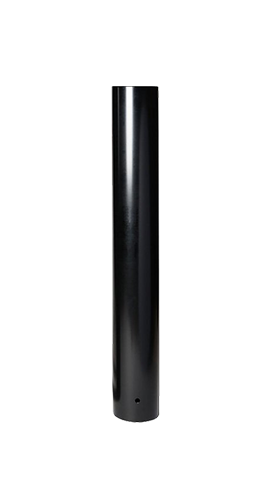
Removable locking bollards lock into ground sleeves using external padlocks or helix lock systems. When unlocked, they can be removed to allow vehicle access.
Available sizes:
- Round: 36” tall, 3.5” diameter
- Round: 36” tall, 4.5” diameter
- Round: 36” tall, 6” diameter
- Round: 36” tall, 6.625” diameter
Removable Non-Locking Bollards
Non-locking removable bollards drop into a ground sleeve without locking, making them easy to remove when access is needed regularly.
Available sizes:
- Round: 36” tall, 3.5” diameter
- Round: 36” tall, 4.5” diameter
- Round: 36” tall, 6.625” diameter
Collapsible Single Post Bollards
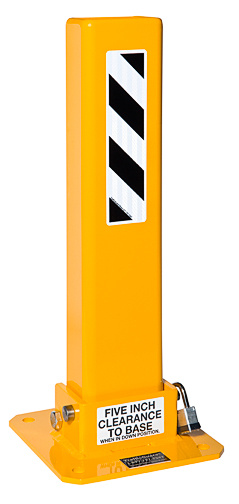
These surface-mounted bollards fold down when access is needed and return upright for protection. They offer strength without sacrificing convenience.
Available sizes:
- Flat: 30” tall, 4” clearance height
- Flat: 30” tall, 5” clearance height
Collapsible Double Post Bollards
Double post models provide the same protection as single posts, with the ability to fold each post in opposite directions. Optional external padlocks add security.
Available size:
- Flat: 30” tall, 3” clearance height
Collapsible Double Post Screw Lock Bollards
This option includes an integrated locking bolt instead of an external padlock, keeping both posts securely in place.
Available sizes:
- Flat: 30” tall, 3” clearance height
Collapsible Round Post Bollards
These bollards use a lock pin system at the base, allowing them to collapse when needed while maintaining a streamlined appearance.
Available sizes:
- Round: 36” tall, 4” clearance height
- Round: 48” tall, 4” clearance height
Removable Parking Bollards
Ideal for parking lots and garages, these bollards feature internal locking mechanisms with optional external padlocks. Available in bold finishes or stainless steel.
Available sizes:
- Round: 36” tall, 2.375” diameter
Collapsible Parking Bollards
When collapsed, these bollards allow easy vehicle access while still providing visual deterrence when upright.
Available sizes:
- Flat: 42” tall, 1.625” diameter
- Flat: 42” tall, 2” diameter
What to Consider When Purchasing a Bollard
Choosing the right bollard isn’t just about picking a post that looks strong—it’s about matching the bollard to your property’s unique safety, security, and traffic needs. With so many options available, it’s important to ask the right questions before making a decision. Here’s a guide to help you select the best bollard solution for your site:
1. Define the Primary Purpose
Start by identifying why you need a bollard in the first place. Are you trying to:
- Control vehicle traffic in busy areas?
- Protect storefronts, outdoor seating, or high-value equipment from accidental or intentional impact?
- Mark pedestrian pathways or restricted zones for safety and visibility?
Understanding the primary purpose will help you narrow down which type, size, and strength of bollard is most suitable for your site.
2. Determine the Duration of Use
Consider whether your bollard will be a temporary solution or a permanent fixture:
- Short-term use: Collapsible or removable bollards are ideal for temporary construction zones, seasonal traffic control, or event management.
- Long-term use: Permanent bollards embedded in the ground provide continuous protection and withstand repeated impacts over years.
Determining the duration of use ensures you don’t overspend on temporary solutions or under-protect areas that need constant security.
3. Assess the Location
Where you install your bollard affects its type, size, and features:
- High-traffic roads, building entrances, and pedestrian-heavy zones often require permanent, heavy-duty posts.
- Temporary access areas, such as delivery lanes or construction sites, may be better suited for removable or collapsible bollards.
- Sensitive or high-security locations, like ATMs, utility equipment, or critical infrastructure, may require crash-rated bollards for maximum protection.
Location considerations also include spacing, visibility, and proximity to other obstacles or structures.
4. Identify Key Features & Materials
Not all bollards are created equal. Consider the features that matter most for your site:
- Strength and durability: Do you need a slim post for minimal visual impact, or a thicker, crash-rated post for high-security protection?
- Visibility: Bright colors or reflective coatings enhance safety, especially in low-light conditions.
- Material: Stainless steel offers long-term corrosion resistance, while coated steel or polymer options may provide additional aesthetic or impact benefits.
- Flexibility: Removable or collapsible models offer temporary access without compromising security.
5. Consider Installation & Maintenance
The ease of installation and ongoing maintenance should factor into your decision:
- Embedded bollards require excavation but provide maximum stability.
- Surface-mounted or removable posts are quicker to install and easier to relocate.
- Maintenance needs vary by material and environment; high-quality coatings and rust-resistant finishes reduce upkeep over time.
6. Evaluate Safety & Compliance
Ensure your bollards meet local safety standards, ADA regulations, and industry guidelines. Proper placement and spacing not only protect vehicles and pedestrians but also reduce liability and insurance risks.
7. Balance Aesthetics with Function
Bollards don’t have to be purely functional—they can complement the look of your property. Consider architectural styles, colors, and finishes to maintain a professional, visually appealing environment without compromising security.
8. Budget Considerations
Finally, weigh your budget against the level of protection required. While high-strength, crash-rated bollards cost more upfront, they can save money in the long term by preventing vehicle damage, theft, or property downtime. Lower-cost or temporary solutions may suffice for low-risk areas, offering flexibility without unnecessary expense.
How Much Do Bollards Cost?
The cost of bollards varies depending on the type, material, size, and features you choose. Basic fixed or surface-mounted posts designed for simple traffic control can start at a few hundred dollars per bollard. Heavy-duty, crash-rated, or customized bollards designed for high-security applications can range from several hundred to over a thousand dollars each. Additional factors that affect cost include:
- Material: Stainless steel or reinforced steel posts are more expensive than polymer or basic steel options, but they offer superior durability and impact resistance.
- Installation type: Embedded or surface-mounted bollards may require excavation or concrete work, which adds to the overall project cost. Removable or collapsible bollards often have lower installation costs.
- Finishes and visibility features: Powder coating, reflective tape, and custom colors can increase the price but enhance safety and aesthetics.
- Quantity: Bulk orders for multiple bollards often reduce the cost per unit.
While bollards are an upfront investment, they often pay for themselves by preventing vehicle damage, reducing repair costs, and enhancing safety. Considering the potential financial and liability benefits, the right bollard solution can be a cost-effective long-term investment for your property.
Benefits of TrafficGuard Bollards
Installing TrafficGuard bollards offers more than just a physical barrier—they provide lasting protection, safety, and cost savings for your property. Here’s why property owners rely on TrafficGuard bollards:
Durable, Rust-Free Protection
TrafficGuard bollards are crafted from high-quality stainless steel and finished with powder coating and zinc-rich primer. They are tested for salt spray performance, ensuring they resist rust, corrosion, and environmental wear. For extra safety, many bollards feature high-visibility yellow finishes and reflective labels, making them easy to see both day and night.
Prevent Property Damage & Loss
Bollards shield buildings, outdoor seating, parking areas, and equipment from accidental collisions and intentional vehicle impact. By preventing damage, they reduce repair costs, minimize downtime, and protect against vandalism or theft, such as ram-raiding attempts. Over time, this protection translates into significant savings.
Low Maintenance & Reliable
Unlike automatic or pneumatic bollards that require complex installation and ongoing upkeep, TrafficGuard’s manually operated removable and collapsible bollards are simple to install and maintain. They withstand harsh weather conditions without frequent repairs, ensuring long-term reliability with minimal effort.
Flexible Access Control
TrafficGuard bollards are available in fixed, removable, and collapsible options, giving property owners complete control over vehicle access. Removable or collapsible bollards allow temporary entry for deliveries or emergency vehicles while maintaining security when upright.
Enhance Safety & Traffic Management
Bollards clearly define pedestrian zones, walkways, and restricted areas, helping guide vehicles safely and prevent accidents. High-visibility finishes and reflective features improve site safety, reducing the likelihood of collisions.
Cost-Effective Security Investment
While bollards require an initial investment, they offer measurable long-term value. By protecting property, preventing accidents, and minimizing maintenance needs, TrafficGuard bollards save money, reduce liability risks, and improve overall operational efficiency.
Contact TrafficGuard for High-Quality Bollards
Looking for durable, reliable bollards to protect your property, control traffic, and enhance safety? TrafficGuard offers a wide range of bollards—including fixed, removable, and collapsible options—designed to meet your specific needs. Our stainless steel and powder-coated posts provide long-lasting protection against impacts, corrosion, and everyday wear.
Whether you’re securing a storefront, parking lot, pedestrian zone, or public space, our expert team can help you choose the right bollard solution and ensure professional installation. Request a quote or contact us today to safeguard your property with high-quality, low-maintenance bollards that deliver both security and peace of mind.