

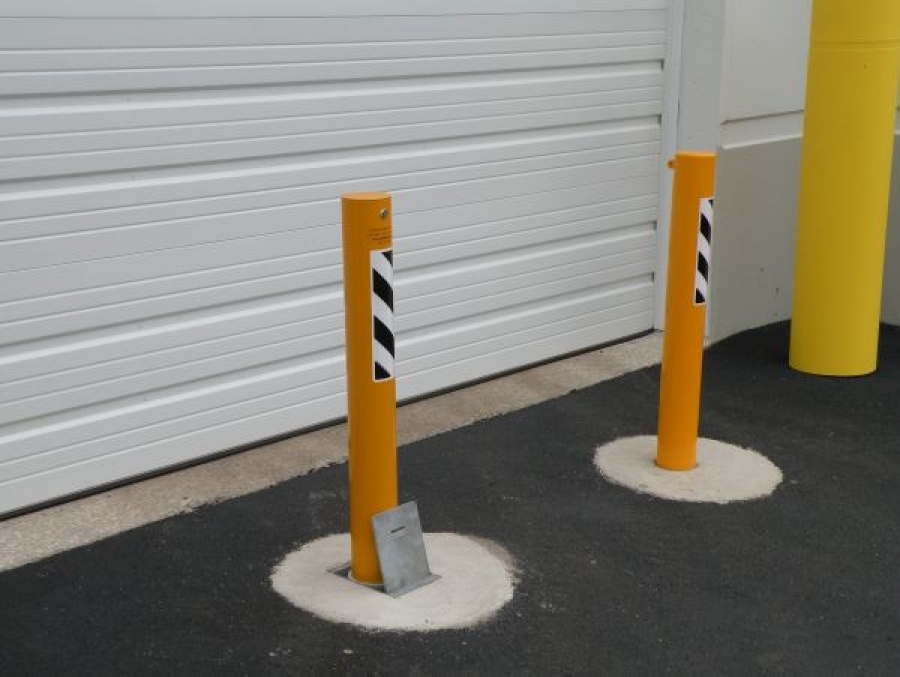

Bollard Installation Guide: How to Install Engineered Bollards

Enjoying the full security of our bollards requires careful installation. By failing to properly install your bollards and barriers, you prevent them from reaching their full potential and protecting your property as effectively as possible.

Learning how to install bollards and barriers can dramatically increase the security of parking lots, garages, storefronts, and more—but only if they're properly installed. Depending on the type and size of the bollards you're installing, you may need to use heavy duty construction equipment to properly prepare the area, as well as concrete to finish the bollard post installation. This ensures that your barriers are as sturdy as possible, even when stopping a speeding vehicle. Ultimately, though, it all comes down to what exactly you're installing, and for what purpose.

This guide covers the key considerations for installing different types of bollards, proper placement requirements and best practices to help you achieve a safe, secure installation.

In this guide:

Enjoying the full security of our heavy duty removable bollards requires careful installation. By failing to properly install your bollards and barriers, you prevent them from reaching their full potential and protecting your property as effectively as possible. Discover how to safely install your bollards, as well as how to install different types of bollards, below.
  • Tools, Materials, & Prep Checklist
  • Step-by-Step Bollard Installation Process
  • How to Install Different Types of Bollards
  • Embedded vs. Surface-Mounted Bollard Installation
  • Bollard Placement, Spacing, Height, & Code Requirements
  • Common Bollard Installation Mistakes to Avoid
  • FAQs
Please note: These are generic guidelines for installing engineered bollards. Please be advised that crash-rated bollards must be installed strictly in accordance with their tested specifications.
701461473-garland-square-bollards_final-5094-2

Tools, Materials, & Prep Checklist

Before beginning installation, ensure you have the proper tools, materials, and equipment needed to create a secure foundation for your bollards. Having everything prepared ahead of time can help prevent installation delays, avoid drainage issues, and ensure the bollard system performs as intended.

  • Auger or Post Hole Digger: Used to create the footing hole required for embedded bollards and ground sleeves. The hole size will depend on the bollard specifications and installation requirements.
  • Gravel for Drainage Base: Provides a drainage layer at the bottom of the footing to help prevent water buildup around the bollard sleeve.
  • Rebar for Reinforcement Cage: Strengthens the concrete footing and helps keep the bollard or sleeve securely positioned.
  • PVC Drainage Pipe: Directs water away from the ground sleeve to reduce corrosion and prevent damage to removable bollard components.
  • Concrete Mix: Secures the bollard foundation while still allowing proper drainage. Concrete that is too wet can block drainage pathways and affect long-term performance.
  • Level and Measuring Tools: Help ensure proper spacing, alignment, and installation height.
  • Safety Gear: Includes gloves, eyewear, boots and other protective equipment needed during excavation and installation.

Before starting the installation process, review the bollard manufacturer’s specifications and confirm that the site is prepared for the installation method being used. Proper planning helps ensure your bollards are installed correctly and provide reliable protection over time.

Installation Guide

Step-by-Step Bollard Installation Process

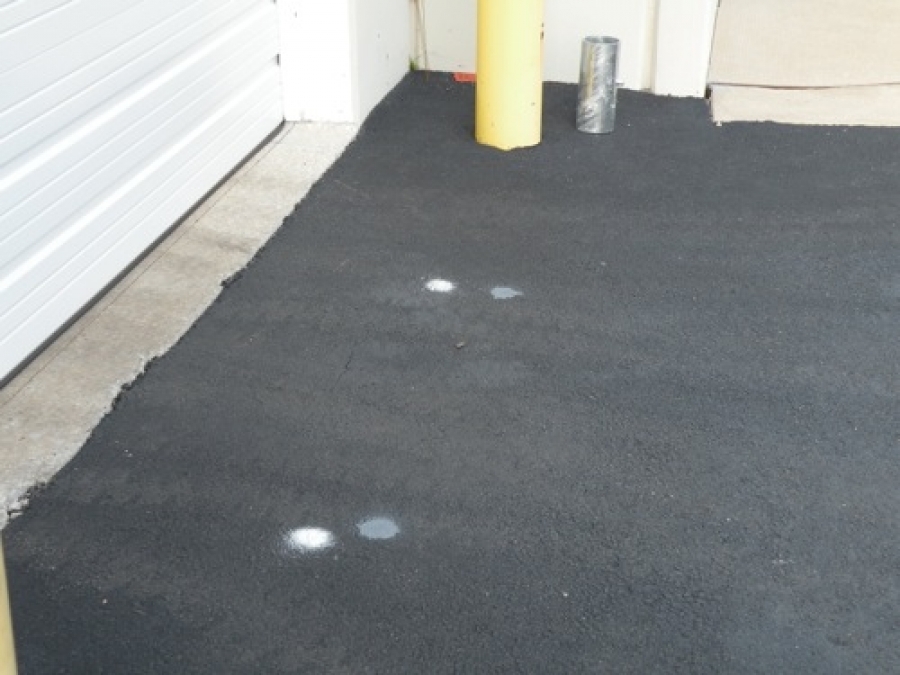
  1. Mark Your Installation Points

    First, mark your installation points. We recommend your bollards be no more than 5 feet apart. Any space larger than this can fail to block the width of smaller vehicles.

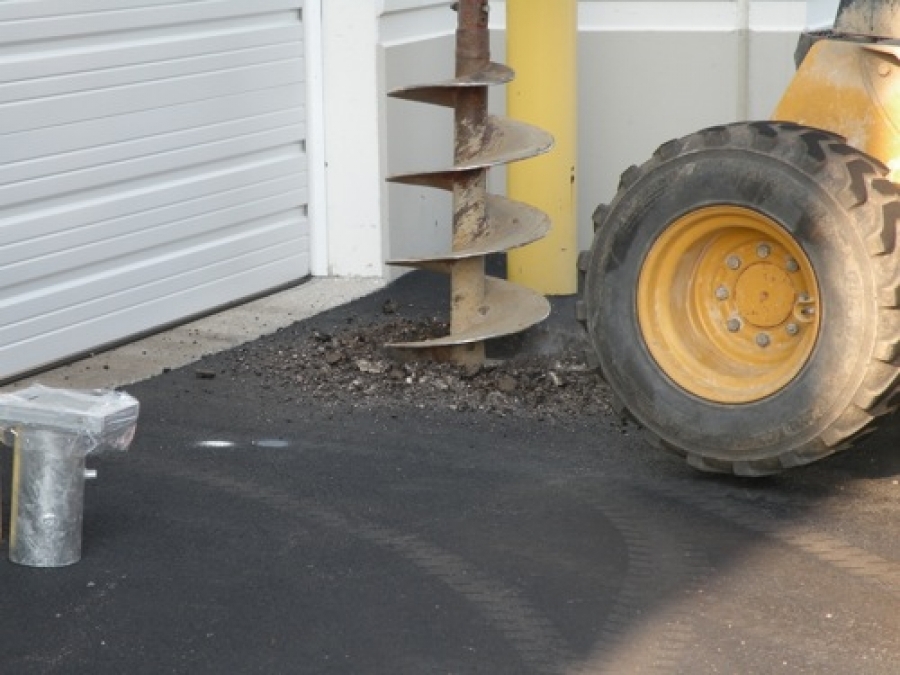
  2. Auger Footing Hole to Spec

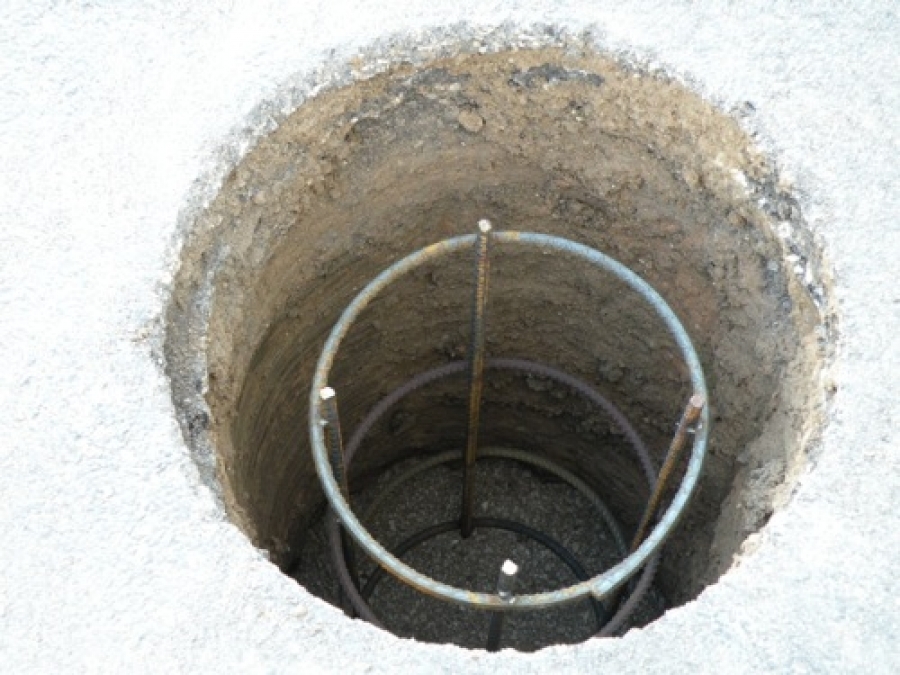
    After marking your installation points, use an auger to drill holes where you want to implement bollards and barriers. The hole itself will be significantly wider than the bollard or ground sleeve itself, as you need to leave room for installing a rebar reinforcement and filling the area around the bollard or ground sleeve with concrete.

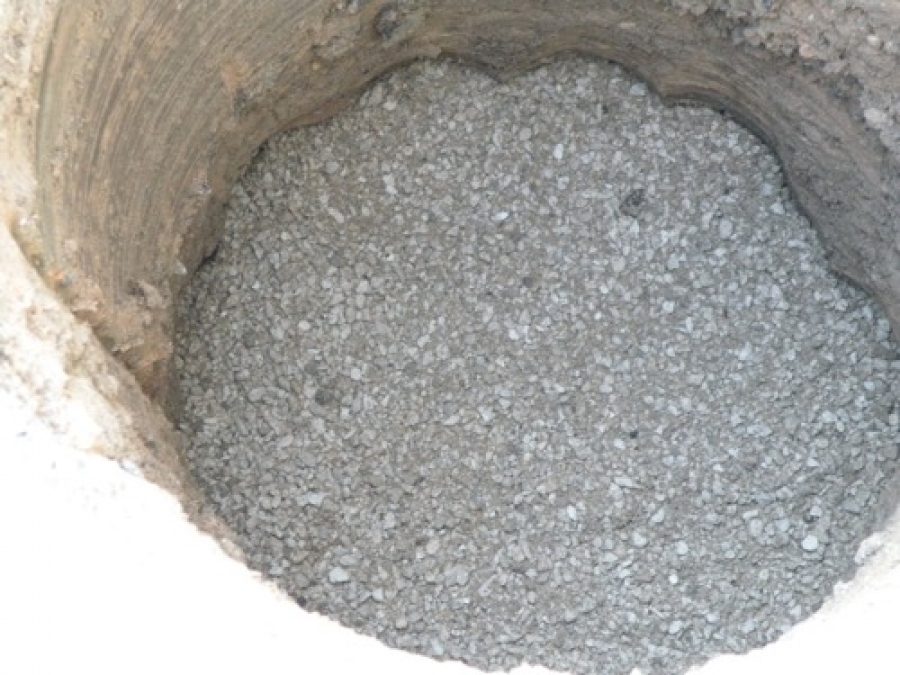
  3. Set Gravel Drainage Base

    At the bottom of the hole you drilled, you’ll need to add a layer of gravel that acts as a drainage point for ground sleeves. This prevents rain, snow, mud, and water from accumulating in the ground sleeves.

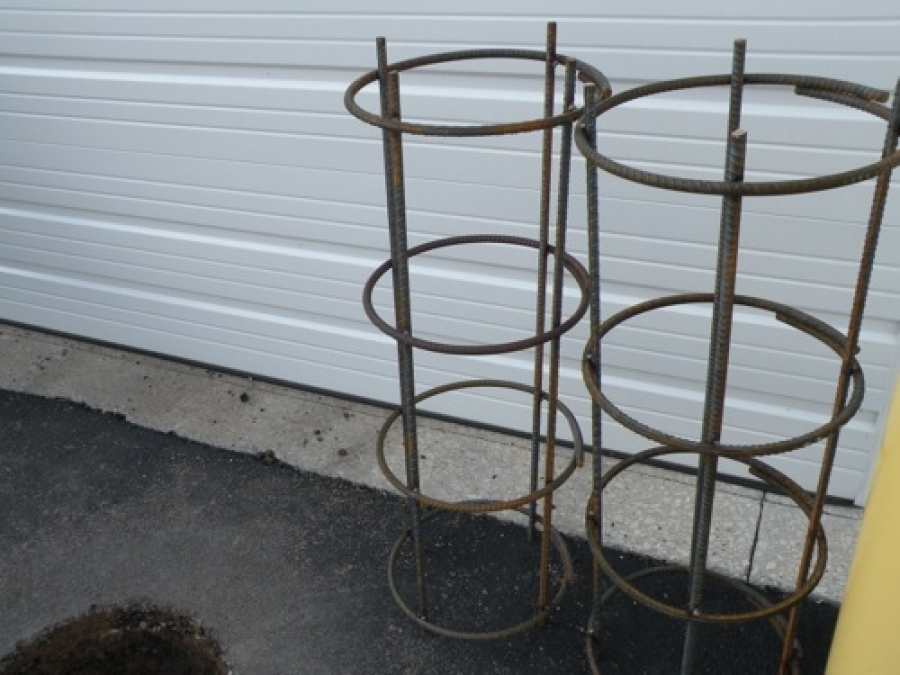
  4. Prepare Rebar Cage to Spec & Position It

    Next, you’ll want to prepare a rebar cage to your specifications and position it. A cylindrical rebar cage provides reinforcement for the ground sleeve or the bollard you plan to install. Drop it in the hole and let it rest on top of the gravel.

  5. Attach PVC Drainage Pipe to Sleeve

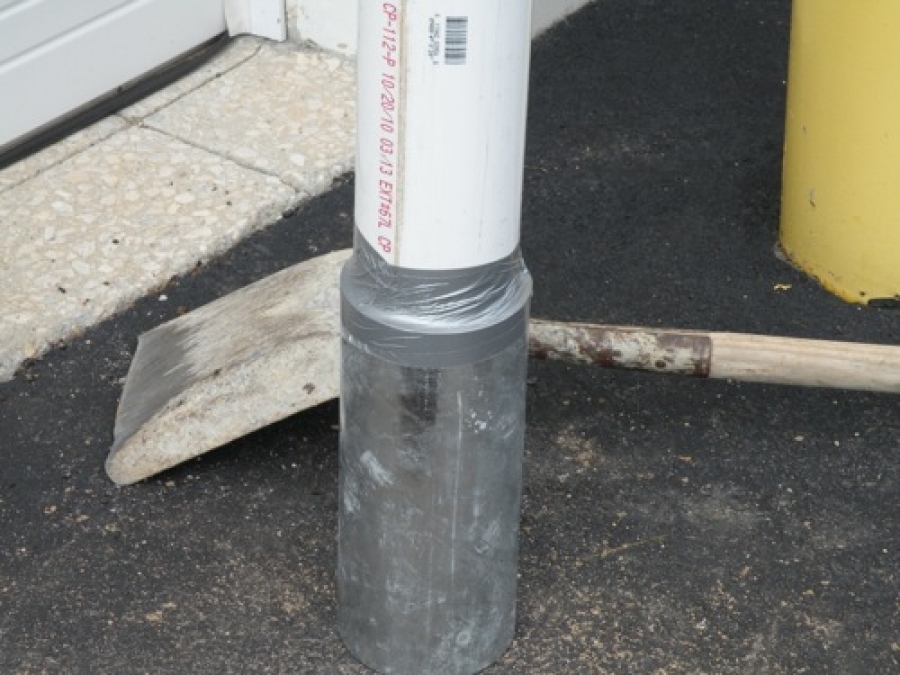
    Then, attach a PVC drainage pipe to the bottom of your ground sleeve and place it inside the rebar cage in the hole.

  6. Position Sleeve with PVC Pipe so Flush with Finish Grade

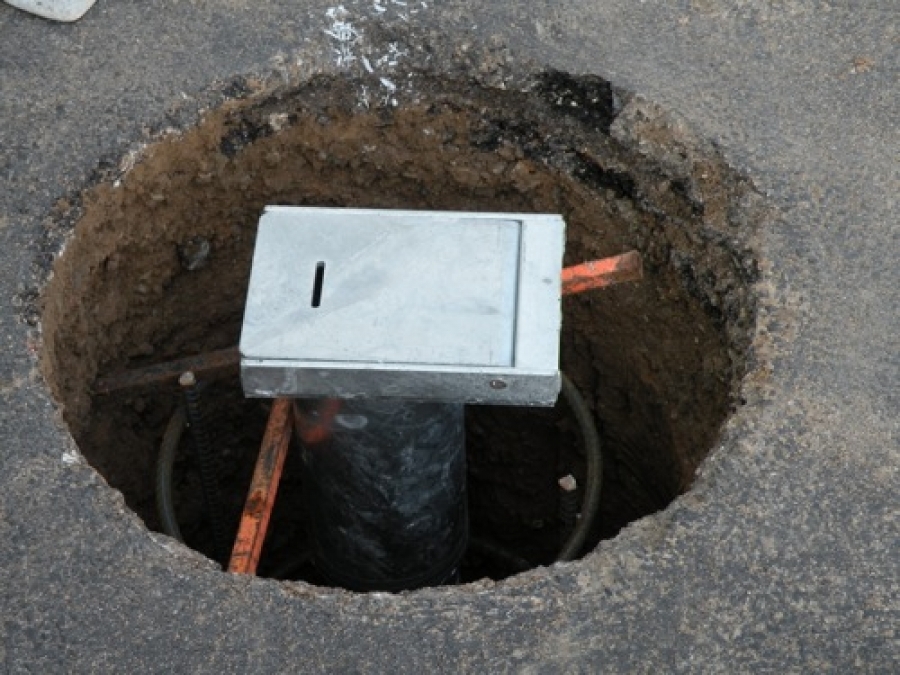
    Once the drainage pipe is attached, you’ll need to properly position the sleeve. If you are installing ground sleeves for removable bollards, ensure that the surface of the ground sleeve is flush with the surface of the ground and level. If you are installing a surface mounted fixed barrier, ensure that it stands a full 36″ above the surface for the best level of protection.

  7. Pour Concrete & Allow Cure

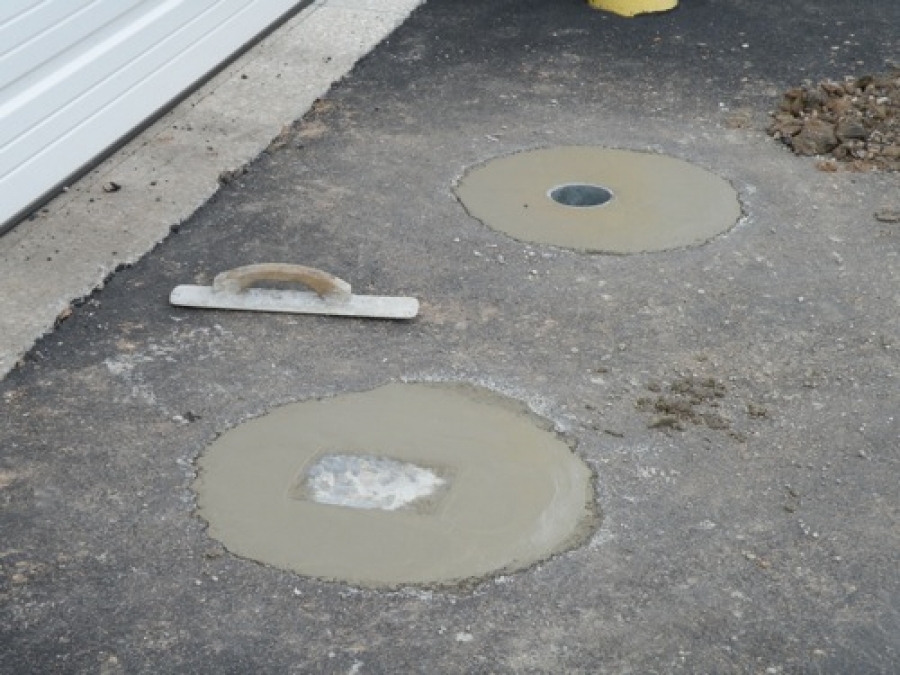
    Next, fill the hole with concrete and smooth it level with the ground. If you installed a ground sleeve, wait for the concrete to completely cure before installing your bollard.

  8. Insert Bollards to Protect Facilities

    Once the concrete is leveled with the ground (and completely cured if a ground sleeve is involved), you can insert your bollards to help ensure optimal protection for your facilities.

How to Install Different Types of Bollards

The type of bollard influences how you’re going to need to install it to ensure optimal security. Below we discuss how to install embedded, removable, and surface mounted bollards and barriers.

Installing Embedded & Removable Bollards

Embedded and removable bollards have a more involved installation process than surface-mounted alternatives, but this can ultimately make them longer-lasting and less susceptible to tampering. To install removable bollards, you'll need to drill through the installation site using an powered auger, creating a hole significantly larger than the diameter of the bollard itself. At the bottom, you'll install gravel and a rebar cage to facilitate moisture drainage and reinforce the bollard. Finally, you'll install either the bollard itself or the removable bollard's ground sleeve, holding it in place while you fill the hole with cement.

Installing Surface-Mounted Bollards & Barriers

Surface-mounted bollards and barriers can be considerably simpler and faster to install, as they do not necessarily require the same materials or process. In instances where a pre-existing concrete slab is in place, collapsible and fixed bollards can often be mounted directly to the slab with drill in concrete anchors. In applications where the bollard is installed in asphalt or dirt, a footing is recommended taking into account the frost line in a given region. Surface-mounted posts come in two types: collapsible and fixed.  While collapsible bollards can be lowered and raised to alternatively allow and block traffic, fixed posts cannot be removed without completely uninstalling them—which is not something that you should do on a regular basis.

Embedded vs. Surface-Mounted Bollard Installation

Feature Embedded / Removable Bollards Surface-Mounted Bollards
Installation Complexity High Low
Security Level Higher impact resistance Moderate
Drainage Requirements Critical Minimal
Maintenance Low if installed correctly Moderate
Best Use Cases High-security areas Light-duty or retrofit installs
Placement Guidelines

Bollard Placement, Spacing, Height, & Code Requirements

Proper bollard placement is just as important as the installation process itself. The location, spacing, and positioning of bollard posts can affect how effectively they protect people, buildings, and equipment while also ensuring the area remains accessible and functional.

Bollards should be placed with both security and everyday use in mind. Poorly positioned bollards can create obstacles for pedestrians, limit emergency access, or interfere with normal traffic flow. Before installation, consider accessibility requirements, local regulations, vehicle clearance needs, and the purpose of the bollard system.

Consider ADA Accessibility Requirements

A common complaint against bollard posts has come from inadequate spacing for pedestrian traffic, including those who may be in wheelchairs. If there will be pedestrian traffic where you are placing bollards, maintain a minimum of 3 feet between the barriers to account for disabled pedestrians. This distance should be measured from the furthest protrusion of the bollard to ensure the safe passage of most wheelchairs and motorized chairs.

When installing bollards near sidewalks, entrances, or pedestrian walkways, consider how people will move through the area. Proper spacing helps provide necessary vehicle protection without creating unnecessary barriers for pedestrians.

Review Local Codes & Ordinances

In public spaces, bollard posts and placement will need to take into consideration the needs of fire trucks or other emergency vehicles that may need to gain access to the area beyond the vehicle barriers. Fire lane bollards, in particular, need to allow first-responders to gain entry to the area while keeping all other traffic out.

Building codes and local ordinances may contain vital information about the placement of barriers, including required spacing, accessibility considerations and emergency access requirements. Failing to follow these conditions may lead to having to undo the work or rework the area, or cause the owner to incur a fine.

Maintain Proper Bollard Spacing

Bollard spacing plays an important role in preventing unwanted vehicle access. Bollards should never be spaced wider than 5 feet apart, as larger gaps may allow smaller vehicles to pass through. A distance of 5 feet should provide enough protection to cover the minimum width of a car.

However, the correct spacing depends on the application and the type of vehicle being restricted. When installing bollards around loading areas, storefronts or high-security locations, consider the size of vehicles that need to be blocked as well as any required pedestrian access.

Account for Private Property Requirements

If you are using bollards on private property, you may have more flexibility with placement compared to public spaces. However, placement should still be based on the specific security needs of the property, the types of vehicles being restricted, and how the area will be used.

For parking lots, driveways, storefronts, and commercial properties, consider locations where vehicle impact protection is most needed, such as building entrances, equipment areas, or vulnerable structures. Proper planning helps ensure bollards provide protection without disrupting normal operations.

Protect Loading Dock Areas

Loading dock bollards play an important role in protecting buildings, doors, equipment, and employees from accidental vehicle impacts. When determining placement, consider the minimum width of trucks, trailers, and other containers that will be moving through the space.

Bollards should be positioned to provide protection while still allowing forklifts, delivery vehicles, and other necessary equipment to safely access the loading area. Proper spacing and placement can help prevent costly damage while maintaining efficient operations.

Consider Bollard Height Requirements

Bollard height is an important consideration when planning a vehicle barrier installation. The appropriate height depends on the type of bollard, the application, and the level of protection required. For many security applications, surface-mounted fixed bollards should extend approximately 36 inches above the finished surface to provide effective protection.

When selecting bollard height, consider visibility, pedestrian movement, and the surrounding environment. Always follow manufacturer specifications and applicable local requirements to ensure the bollards provide the intended level of security.

Common Bollard Installation Mistakes to Avoid

Proper installation is essential for ensuring bollards perform as intended. Even high-quality security bollards can fail to provide the expected level of protection if installation steps are skipped or completed incorrectly. Avoid these common mistakes when installing bollards and barriers.

  • Ignoring Proper Drainage Requirements

    One of the most common mistakes during bollard installation is failing to account for drainage. Removable bollards rely on proper drainage through the ground sleeve to prevent standing water from collecting around the post. Over time, trapped moisture can cause corrosion, damage locking mechanisms and reduce the lifespan of the bollard system. Make sure the sleeve includes proper drainage and that the PVC drainage pipe extends through the footing to the gravel base.

  • Installing Bollards Without Proper Reinforcement

    Bollards need a strong foundation to withstand vehicle impact and everyday use. Skipping reinforcement materials can compromise the strength and stability of the installation.

  • Using Improper Concrete Consistency

    Concrete plays an important role in securing bollards in place. If the concrete mixture is too wet or runny, it can fill drainage areas and prevent water from properly escaping through the gravel base. Using the correct concrete consistency helps maintain both structural stability and long-term performance.

  • Incorrectly Spacing Bollards

    Bollard spacing directly affects how effectively a barrier prevents vehicle access. Installing bollards too far apart may allow smaller vehicles to pass through, while spacing them too closely can create accessibility issues for pedestrians. Always consider the type of vehicle being restricted, pedestrian access requirements, and local regulations when determining bollard placement.

  • Failing to Account for Local Requirements

    Before installation, review applicable building codes, ADA requirements, and local ordinances. Improper placement or installation may require costly corrections or fines and could limit emergency vehicle access.

  • Not Preparing the Installation Site Properly

    The surrounding surface, soil conditions, and frost line can all impact bollard performance. Installing bollards without considering these factors may lead to shifting, instability, or damage over time. Taking time to properly prepare the installation area helps ensure your bollards provide dependable protection for years to come.

FAQs About Bollard Installation

How do you install a bollard?

How far apart should bollards be installed?

Do bollards need drainage?

Can you install bollards in asphalt?

How long does bollard installation take?

Do bollards need to be installed in concrete?

Can I install bollards myself?

How do I maintain installed bollards?

Questions About Bollard Installation? We Can Help

For more information on how to install bollards or to learn more about the bollards we offer, please contact us today! Our team is happy to answer any questions you may have.


Name: 10 MPH Fixed Embedded Bollard – 304 Stainless, #4 Brushed Finish [RFP 5560R S S10]
Category: Crash-Rated Bollards
Type: Fixed

Name: 10 MPH Fixed Embedded Bollard – Carbon / Powder Coated [RFP 5560R S10]
Category: Crash-Rated Bollards
Type: Fixed

Name: 10 MPH Removable Bollard – 304 Stainless, #4 Brushed Finish [HL 2005 S S10]
Category: Crash-Rated Bollards
Type: Removable

Name: 10 MPH Removable Bollard – Carbon / Powder Coated [HL 2005 S10]
Category: Crash-Rated Bollards
Type: Removable

Name: 20 MPH Fixed Bollard – Stainless [RFP 8660R S S20]
Category: Crash-Rated Bollards
Type: Fixed

Name: 20 MPH Fixed Bollard – Carbon / Powder Coated [RFP 8660R S20]
Category: Crash-Rated Bollards
Type: Fixed

Name: 20 MPH Removable Bollard – Stainless [HL 2008 S S20]
Category: Crash-Rated Bollards
Type: Removable

Name: 20 MPH Removable Bollard – Carbon / Powder Coated [HL 2008 S20]
Category: Crash-Rated Bollards
Type: Removable

Name: 30MPH Fixed Embedded Bollards [RFP 8660RH S30]
Category: Crash-Rated Bollards
Type: Fixed

Name: 30MPH Fixed Stainless Bollards [RFP 8660H S S30]
Category: Crash-Rated Bollards
Type: Fixed

Name: 30 MPH Helix Lock Removable Bollards [HL 2008H S30]
Category: Crash-Rated Bollards
Type: Removable

Name: 30 MPH Stainless Removable Bollards [HL 2008RH S S30]
Category: Crash-Rated Bollards
Type: Removable

Name: Locking Helix Lock Series [HL2002S]
Category: Parking Bollards
Type: Removable

Name: Locking Helix Lock Series [HL2002]
Category: Parking Bollards
Type: Removable

Name: Round Post Top Lock [TL1002]
Category: Parking Bollards
Type: Removable

Name: Locking Helix Lock Series [HL2002SL]
Category: Parking Bollards
Type: Removable

Name: Locking Helix Lock Series [HL2002L]
Category: Parking Bollards
Type: Removable

Name: Round Post Top Lock [TL1002L]
Category: Parking Bollards
Type: Removable

Name: Round Post [HRP]
Category: Security Bollards
Type: Collapsible

Name: Single Post [LPHDHB]
Category: Security Bollards
Type: Collapsible

Name: Double Post Screw Lock [DHB-SL]
Category: Security Bollards
Type: Collapsible

Name: Double Post [DHB]
Category: Security Bollards
Type: Collapsible

Name: Two-Way Collapsible Bollard 36″ (2636)
Category: Security Bollards
Type: Collapsible

Name: Two-Way Collapsible Bollard 36″ (2436)
Category: Security Bollards
Type: Collapsible

Name: Stainless Fixed Posts - RFP3560RS
Category: Security Bollards
Type: Fixed

Name: Embedded RFP Series - Model RFP3560R
Category: Security Bollards
Type: Fixed

Name: Surface Mounted 3.5" OD [RFP3536RS]
Category: Security Bollards
Type: Fixed

Name: Stainless Fixed Posts - RFP4560RS
Category: Security Bollards
Type: Fixed

Name: Embedded RFP Series - Model RFP4560R
Category: Security Bollards
Type: Fixed

Name: Surface Mounted 4.5" OD [RFP4536RS]
Category: Security Bollards
Type: Fixed

Name: Stainless Fixed Posts - RFP6660RS
Category: Security Bollards
Type: Fixed

Name: Embedded RFP Series - Model RFP6660R
Category: Security Bollards
Type: Fixed

Name: Surface Mounted 6.625" OD [RFP6636RS]
Category: Security Bollards
Type: Fixed

Name: Round Post Lock - Model RPL3S
Category: Security Bollards
Type: Removable

Name: Locking Round Post Lock Series [RPL3]
Category: Security Bollards
Type: Removable

Name: Round Post Lock - Model RPL4S
Category: Security Bollards
Type: Removable

Name: Locking Round Post Lock Series [RPL4]
Category: Security Bollards
Type: Removable

Name: Round Post Lock - Model RPL6S
Category: Security Bollards
Type: Removable

Name: Locking Round Post Lock Series [RPL6]
Category: Security Bollards
Type: Removable

Name: Helix Lock - Model HL2003S
Category: Security Bollards
Type: Removable

Name: Locking Helix Lock Series [HL2003]
Category: Security Bollards
Type: Removable

Name: Locking Top Lock Series [TL1003R]
Category: Security Bollards
Type: Removable

Name: Key Lock - Model RP3503S
Category: Security Bollards
Type: Removable

Name: Key Lock - Model RP3503
Category: Security Bollards
Type: Removable

Name: Drop In - Model RP3501S
Category: Security Bollards
Type: Removable

Name: Non Locking Drop-in Series RP3501
Category: Security Bollards
Type: Removable

Name: Twist In - Model RPT3501S
Category: Security Bollards
Type: Removable

Name: Non Locking Twist-in Series [RPT3501]
Category: Security Bollards
Type: Removable

Name: Helix Lock - Model HL2004S
Category: Security Bollards
Type: Removable

Name: Locking Helix Lock Series [HL2004]
Category: Security Bollards
Type: Removable

Name: Locking Top Lock Series [TL1004R]
Category: Security Bollards
Type: Removable

Name: Locking Top Lock High Security Series [TL1004HS]
Category: Security Bollards
Type: Removable

Name: Key Lock - Model RP3504S
Category: Security Bollards
Type: Removable

Name: Key Lock - Model RP3504
Category: Security Bollards
Type: Removable

Name: Drop In - Model RP4501S
Category: Security Bollards
Type: Removable

Name: Non Locking Drop-in Series RP4501
Category: Security Bollards
Type: Removable

Name: Twist In - Model RPT4501S
Category: Security Bollards
Type: Removable

Name: Non Locking Twist-in Series [RPT4501]
Category: Security Bollards
Type: Removable

Name: Helix Lock - Model HL2006S
Category: Security Bollards
Type: Removable

Name: Locking Helix Lock Series [HL2006]
Category: Security Bollards
Type: Removable

Name: Locking Top Lock High Security Series [TL1006HS]
Category: Security Bollards
Type: Removable

Name: Locking Top Lock Series [TL1006R]
Category: Security Bollards
Type: Removable

Name: Key Lock - Model RP3506S
Category: Security Bollards
Type: Removable

Name: Key Lock - Model RP3506
Category: Security Bollards
Type: Removable

Name: Drop In - Model RP6601S
Category: Security Bollards
Type: Removable

Name: Non Locking Drop-in Series RP6601
Category: Security Bollards
Type: Removable

Name: Twist In - Model RPT6601S
Category: Security Bollards
Type: Removable

Name: Non Locking Twist-in Series [RPT6601]
Category: Security Bollards
Type: Removable

Name: Helix Lock - Model HL2003SL
Category: Security Bollards
Type: Removable

Name: Locking Helix Lock Series [HL2003L]
Category: Security Bollards
Type: Removable

Name: Locking Top Lock Series [TL1003RL]
Category: Security Bollards
Type: Removable

Name: Key Lock - Model RP3503SL
Category: Security Bollards
Type: Removable

Name: Key Lock - Model RP3503L
Category: Security Bollards
Type: Removable

Name: Twist In - Model RPT3501SL
Category: Security Bollards
Type: Removable

Name: Non Locking Twist-in Series [RPT3501L]
Category: Security Bollards
Type: Removable

Name: Helix Lock - Model HL2004SL
Category: Security Bollards
Type: Removable

Name: Locking Helix Lock Series [HL2004L]
Category: Security Bollards
Type: Removable

Name: Locking Top Lock Series [TL1004RL]
Category: Security Bollards
Type: Removable

Name: Locking Top Lock High Security Series [TL1004HSL]
Category: Security Bollards
Type: Removable

Name: Key Lock - Model RP3504SL
Category: Security Bollards
Type: Removable

Name: Key Lock - Model RP3504L
Category: Security Bollards
Type: Removable

Name: Twist In - Model RPT4501SL
Category: Security Bollards
Type: Removable

Name: Non Locking Twist-in Series [RPT4501L]
Category: Security Bollards
Type: Removable

Name: Helix Lock - Model HL2006SL
Category: Security Bollards
Type: Removable

Name: Locking Helix Lock Series [HL2006L]
Category: Security Bollards
Type: Removable

Name: Locking Top Lock High Security Series [TL1006HSL]
Category: Security Bollards
Type: Removable

Name: Locking Top Lock Series [TL1006RL]
Category: Security Bollards
Type: Removable

Name: Key Lock - Model RP3506SL
Category: Security Bollards
Type: Removable

Name: Key Lock - Model RP3506L
Category: Security Bollards
Type: Removable

Name: Twist In - Model RPT6601SL
Category: Security Bollards
Type: Removable

Name: Non Locking Twist-in Series [RPT6601L]
Category: Security Bollards
Type: Removable

Name: Non-Locking Deter-a-PostTM (4536 P)
Category: Security Bollards
Type: Removable

Name: Helix Lock Removable Bollards (4536 HL)
Category: Security Bollards
Type: Removable

Name: Locking Removable Deter-a-Post™ (4536 PL)
Category: Security Bollards
Type: Removable

Name: Replacement Lids
Category: Storage Racks & Accessories
Type: 

Name: Removable Bollard Storage Rack
Category: Storage Racks & Accessories
Type: 

Name: Helix Locking Filler Piece
Category: Storage Racks & Accessories
Type: 

Name: 10 MPH Core-In Fixed Embedded Bollard – 304 Stainless, #4 Brushed Finish [CIF 4560 S S10]
Category: Crash-Rated Bollards
Type: Fixed

Name: 10 MPH Core-In Fixed Embedded Bollard – Carbon / Powder Coated [CIF 4560 S10]
Category: Crash-Rated Bollards
Type: Fixed

Name: 10 MPH Core-In Removable Bollard – 304 Stainless, #4 Brushed Finish [CIR HL2004 S S10]
Category: Crash-Rated Bollards
Type: Removable

Name: 10 MPH Core-In Removable Bollard – Carbon / Powder Coated [CIR HL2004 S10]
Category: Crash-Rated Bollards
Type: Removable

Name: 10 MPH Core-In Fixed Embedded Bollard – 304 Stainless, #4 Brushed Finish [CIF 5560 S S10]
Category: Crash-Rated Bollards
Type: Fixed

Name: 10 MPH Core-In Fixed Embedded Bollard – Carbon / Powder Coated [CIF 5560 S10]
Category: Crash-Rated Bollards
Type: Fixed

Name: 10 MPH Core-In Removable Bollard – 304 Stainless, #4 Brushed Finish [CIR HL2005 S S10]
Category: Crash-Rated Bollards
Type: Removable

Name: 10 MPH Core-In Removable Bollard – Carbon / Powder Coated [CIR HL2005 S10]
Category: Crash-Rated Bollards
Type: Removable

Name: 20 MPH Core-In Fixed Bollard – Stainless [CIF 6660 S S20]
Category: Crash-Rated Bollards
Type: Fixed

Name: 20 MPH Core-In Fixed Bollard – Carbon / Powder Coated [CIF 6660 S20]
Category: Crash-Rated Bollards
Type: Fixed

Name: 20 MPH Core-In Removable Bollard – Stainless [CIR HL2006 S S20]
Category: Crash-Rated Bollards
Type: Removable

Name: 20 MPH Core-In Removable Bollard – Carbon / Powder Coated [CIR HL2006 S20]
Category: Crash-Rated Bollards
Type: Removable

Name: S10 Impact Rated Lighted Bollard
Category: Lighted Bollards
Type: 

Name: S20 Impact Rated Lighted Bollard
Category: Lighted Bollards
Type: