

Case Study: Protecting Pedestrians at Garland Square with Crash-Rated Removable Bollards
About Garland Square
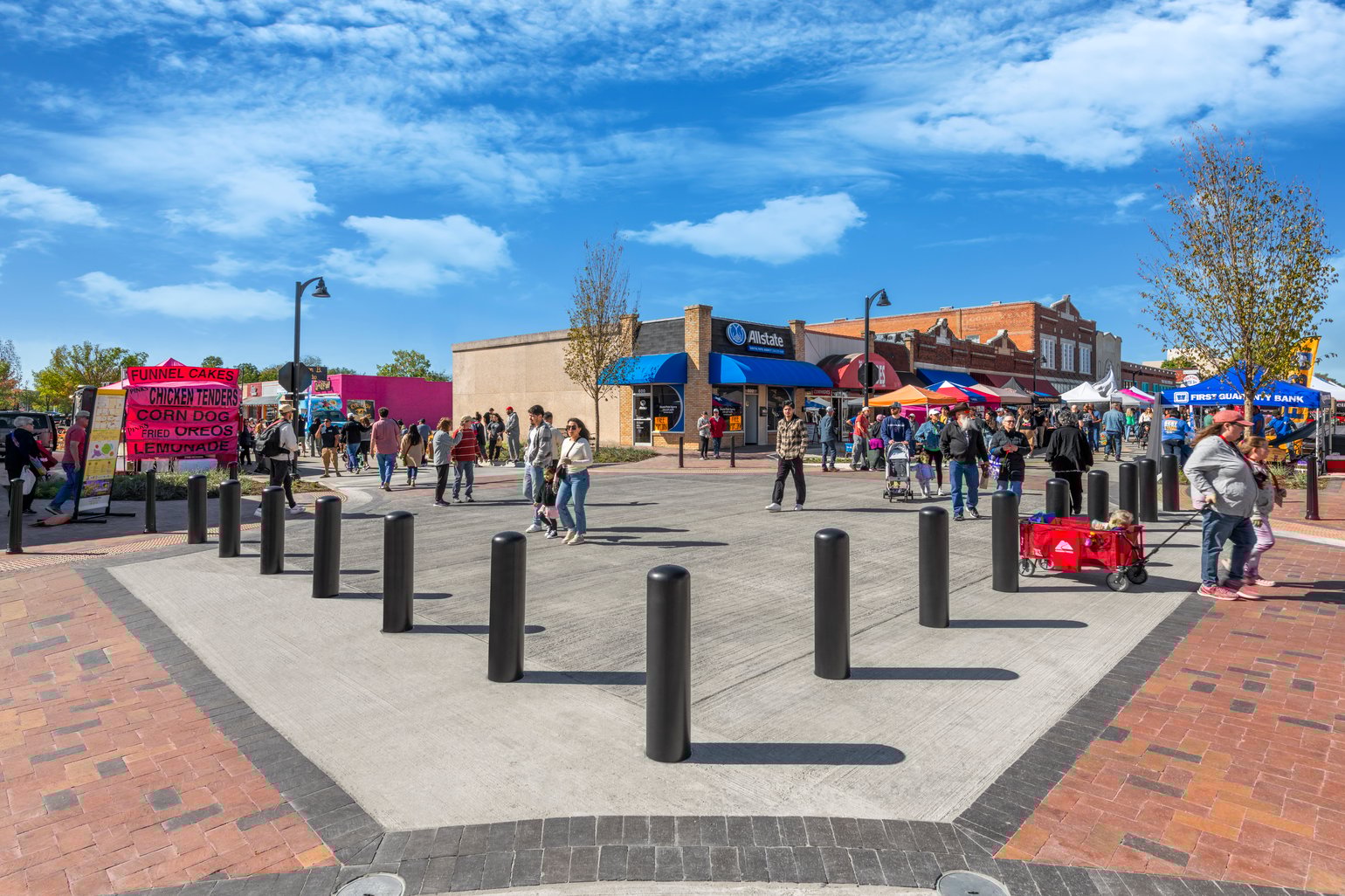
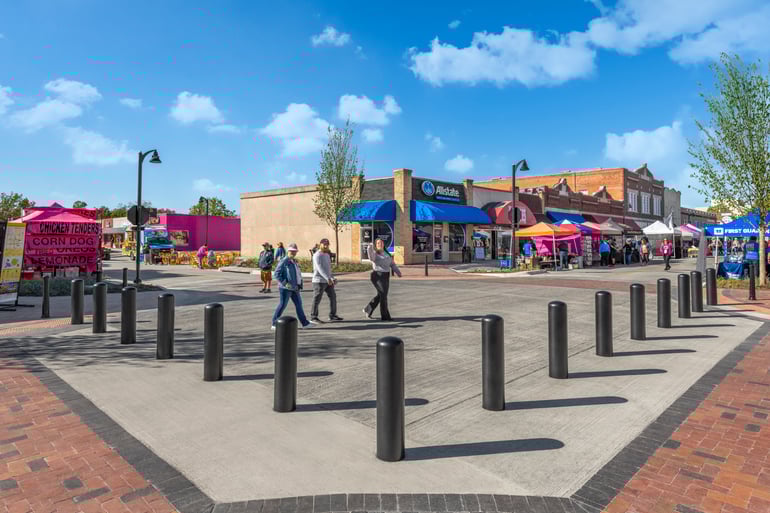
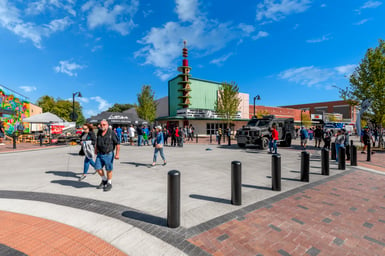
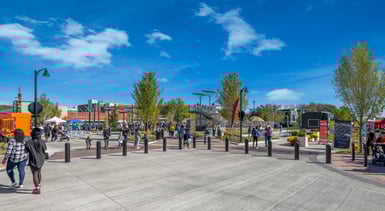
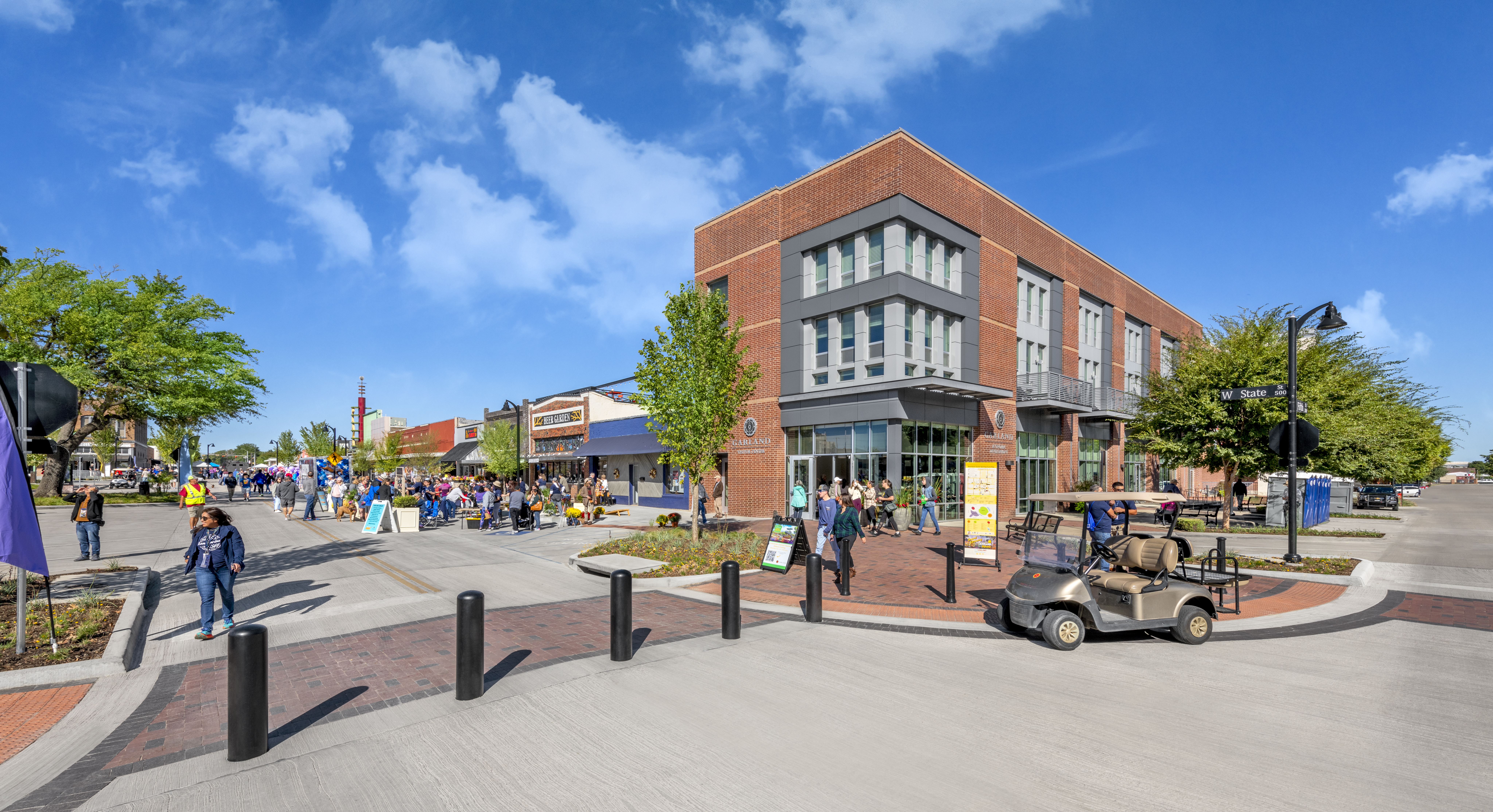
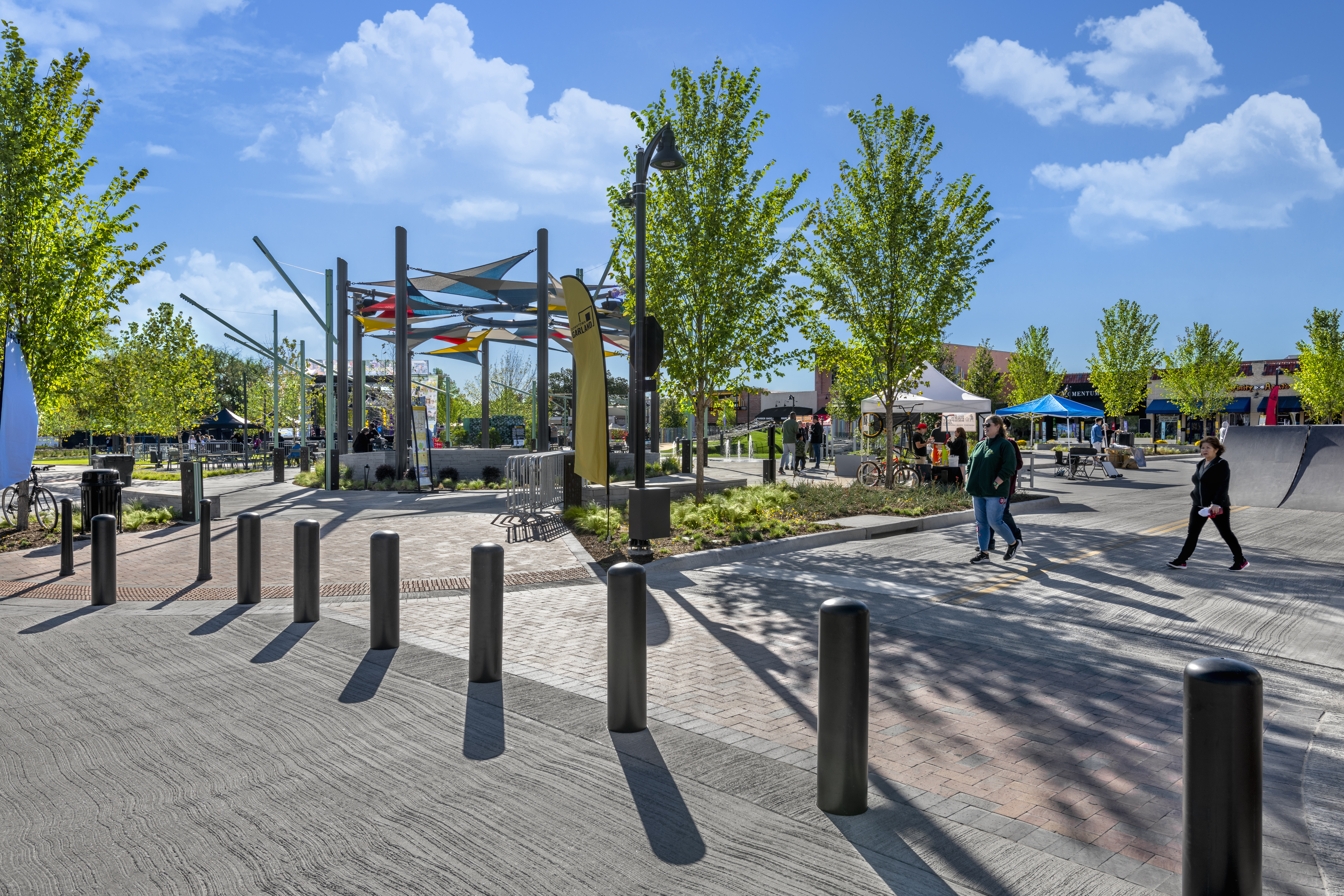
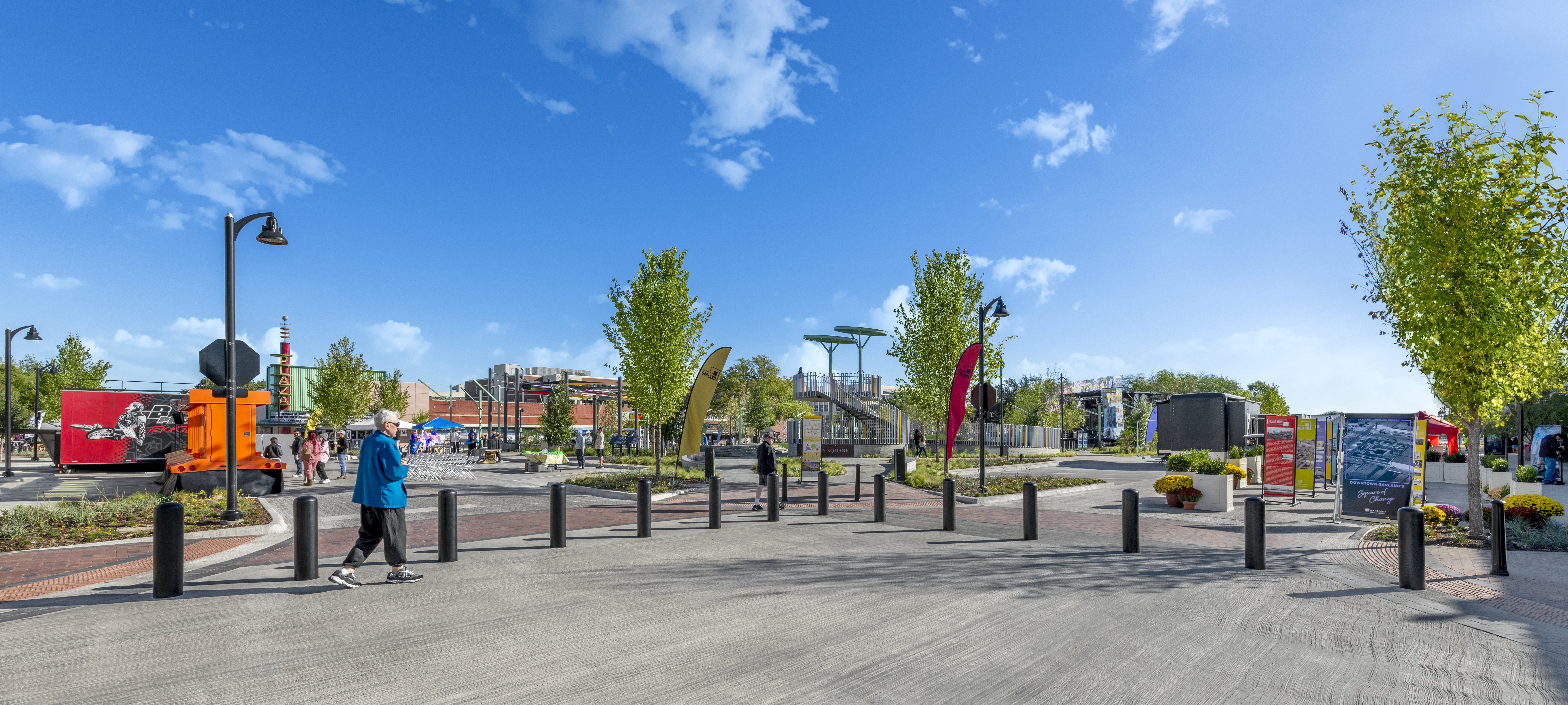
Garland Square is a vibrant public gathering space in Garland, Texas, that hosts festivals, farmers markets, and seasonal community events throughout the year. Designed to bring people together, the square frequently transitions from an open roadway to a pedestrian-only environment, requiring flexible infrastructure that supports both everyday traffic and large crowds during special events.
The Challenge: Protecting Pedestrians During Festivals, Farmers Markets, & Special Events
As Garland Square’s event calendar expanded, the city identified a growing need to improve pedestrian safety during times when streets were temporarily closed to vehicles. Large crowds, vendor setups, and family-friendly events increased exposure to potential risks from accidental or intentional vehicle intrusion.
The city faced several key challenges:
- Balancing Safety & Flexibility: Streets needed to remain fully accessible to vehicles outside of event hours.
- Efficient Installation & Removal: Bollards had to be deployed quickly before events and removed just as easily afterward.
- Limited Storage Space: Removed bollards needed a secure, organized storage solution that wouldn’t strain city resources or clutter maintenance facilities.
- Street Layout & Speed Considerations: The surrounding streets and posted speed limits required a crash-rated solution capable of stopping a vehicle traveling at moderate speeds.
The Solution: 30-MPH Crash-Rated Removable Bollards with a Custom Removal & Storage System
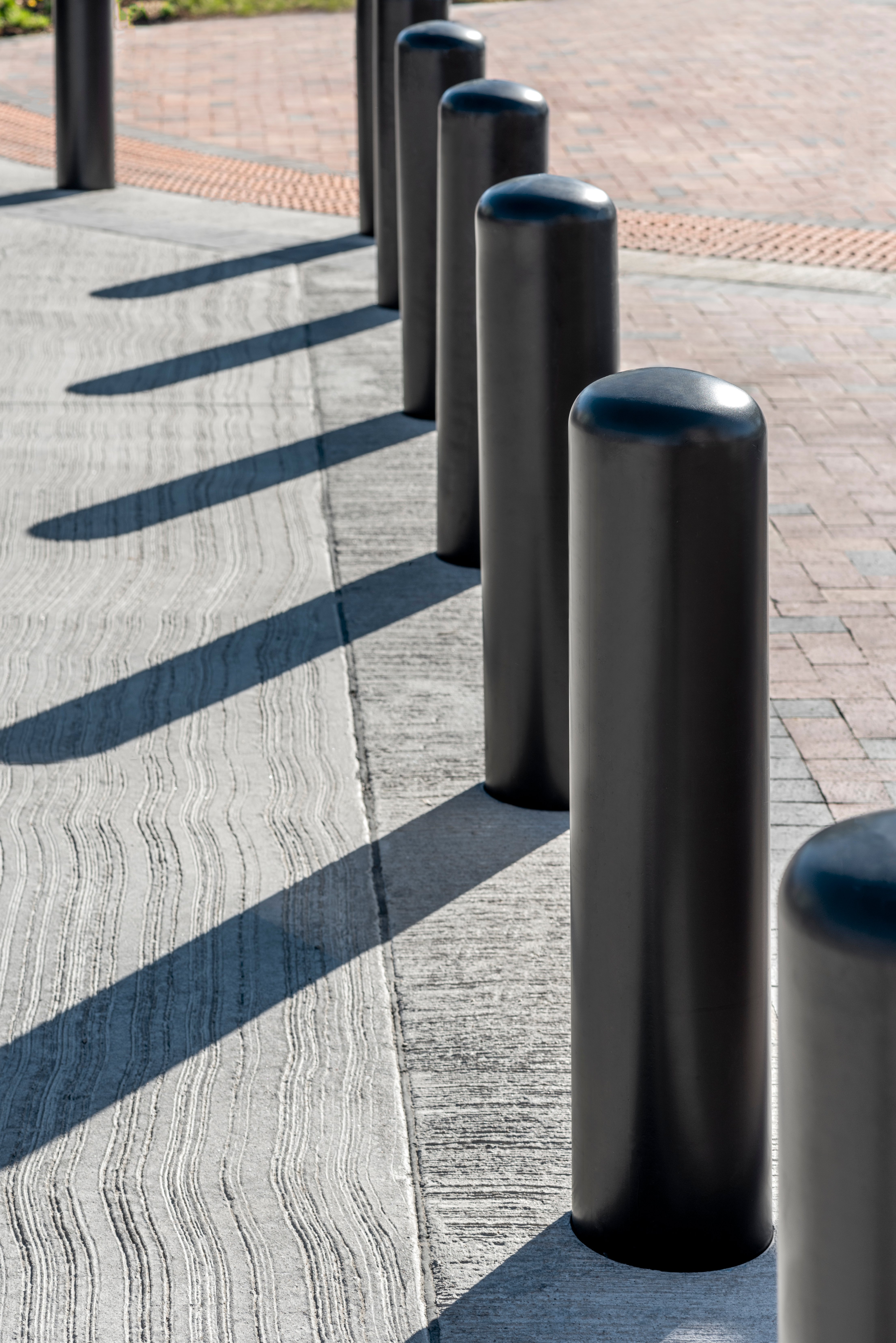
To meet these requirements, Garland Square selected 30 MPH Helix Lock Removable Bollards (HL2008H S30). This crash-rated system provided the level of protection needed while maintaining the flexibility required for a multi-use public space.
A standout element of the project was the custom removal and storage system developed by the city:
- Eye-Bolt Lifting System: Each bollard is equipped with an integrated eye bolt that allows crews to safely lift and remove the bollards using standard equipment, such as an end loader.
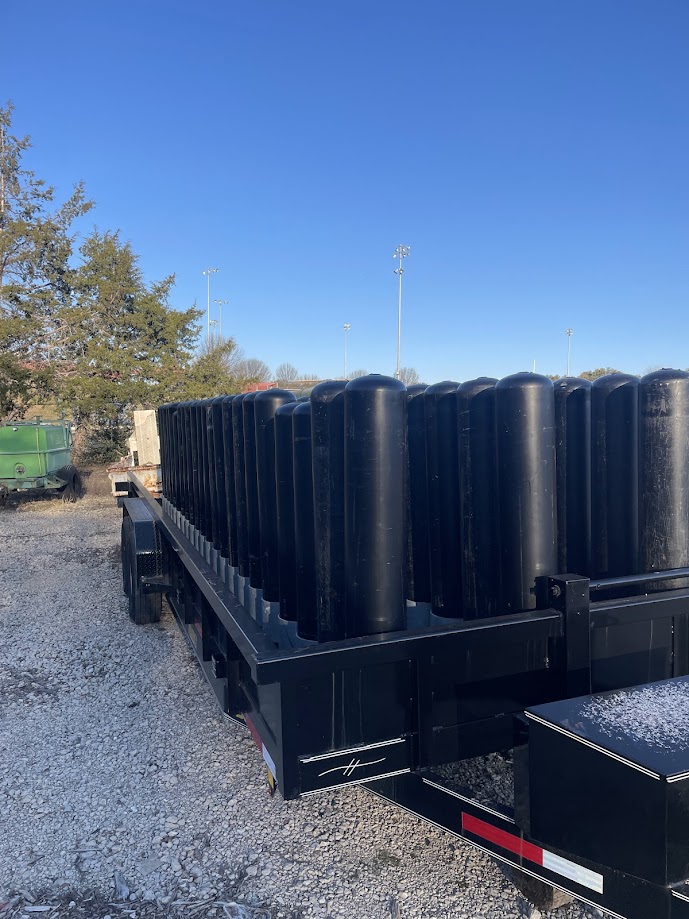
- Trailer-Mounted Storage Racks: Once removed, the bollards are placed directly into custom racks affixed to a trailer, keeping them organized, secure, and ready for transport or storage.
- Streamlined Operations: This approach minimizes manual handling, reduces labor time, and allows city staff to transition streets quickly and efficiently.
Why the 30-MPH Bollards Were Chosen
The 30 MPH Helix Lock Removable Bollards were selected based on Garland Square’s specific conditions:
- Urban street layout with moderate speed limits
- The need to protect large pedestrian crowds during events
- A desire for a removable system that didn’t permanently alter the streetscape
The 30-MPH crash rating provided a strong balance between robust protection and practical deployment for a downtown, event-driven environment.
The Results: Improved Event Safety, Faster Setup, & Better Operations
Since installation, Garland Square has seen measurable improvements in event safety and operations:
- Enhanced pedestrian protection during festivals, farmers markets, and special events
- Faster setup and teardown times, allowing city crews to deploy safety measures efficiently
- Improved storage and asset management, with bollards neatly organized and easy to transport
- Increased confidence among event organizers, vendors, and attendees
City staff reported that the removable bollard system is easy to manage and integrates seamlessly into their event planning process. Public feedback has been positive, with many attendees noting a greater sense of safety during crowded events without detracting from the open, welcoming feel of the square.
The Outcome: A Flexible, Crash-Rated Bollard Solution for Event-Driven Public Spaces
By combining crash-rated protection with a smart, efficient removal and storage strategy, Garland Square successfully addressed pedestrian safety concerns while preserving the flexibility of a dynamic public space. The project demonstrates how thoughtful infrastructure design can support both safety and community engagement—setting a model for other cities facing similar challenges.